Personal narrative writing
by Admin
Posted on 20-04-2025 04:33 PM

Importance of Personal Narrative Writing
Personal narrative writing is important for several reasons. Firstly, it allows individuals to process and reflect on their experiences, and to gain a deeper understanding of themselves and their emotions. By writing about their experiences, individuals can identify patterns, themes, and emotions that may not have been immediately apparent. Additionally, personal narrative writing provides an outlet for individuals to express themselves, and to share their stories with others. This can be particularly important for individuals who have experienced trauma, or who have struggled with mental health issues. By sharing their stories, individuals can connect with others, and find support and understanding.
Benefits of Personal Narrative Writing
The benefits of personal narrative writing are numerous. One of the most significant benefits is the therapeutic effect it can have on individuals. By writing about their experiences, individuals can work through difficult emotions, and gain a sense of closure and resolution. Personal narrative writing can also be a powerful tool for personal growth and development. By reflecting on their experiences, individuals can identify areas for improvement, and develop new skills and strategies. Furthermore, personal narrative writing can provide a sense of accomplishment and pride, as individuals see their stories and experiences take shape on paper, and for those who want to take their writing to the next level, they can even start writing their first novel,opening up new avenues for creative expression.For additional details, visit us at https://retirementwritersretreat.com/creative-writing/start-writing-your-first-novel
Types of Personal Narrative Writing
There are several types of personal narrative writing, including memoirs, essays, and stories. Memoirs are lengthy, autobiographical accounts of an individual's life, and often focus on a specific theme or experience. Essays are shorter, more reflective pieces of writing, and often explore a particular topic or issue. Stories are more creative and imaginative, and often use fictional elements to convey a personal experience or emotion. Each type of personal narrative writing has its own unique characteristics, and can be used to convey different types of experiences and emotions.
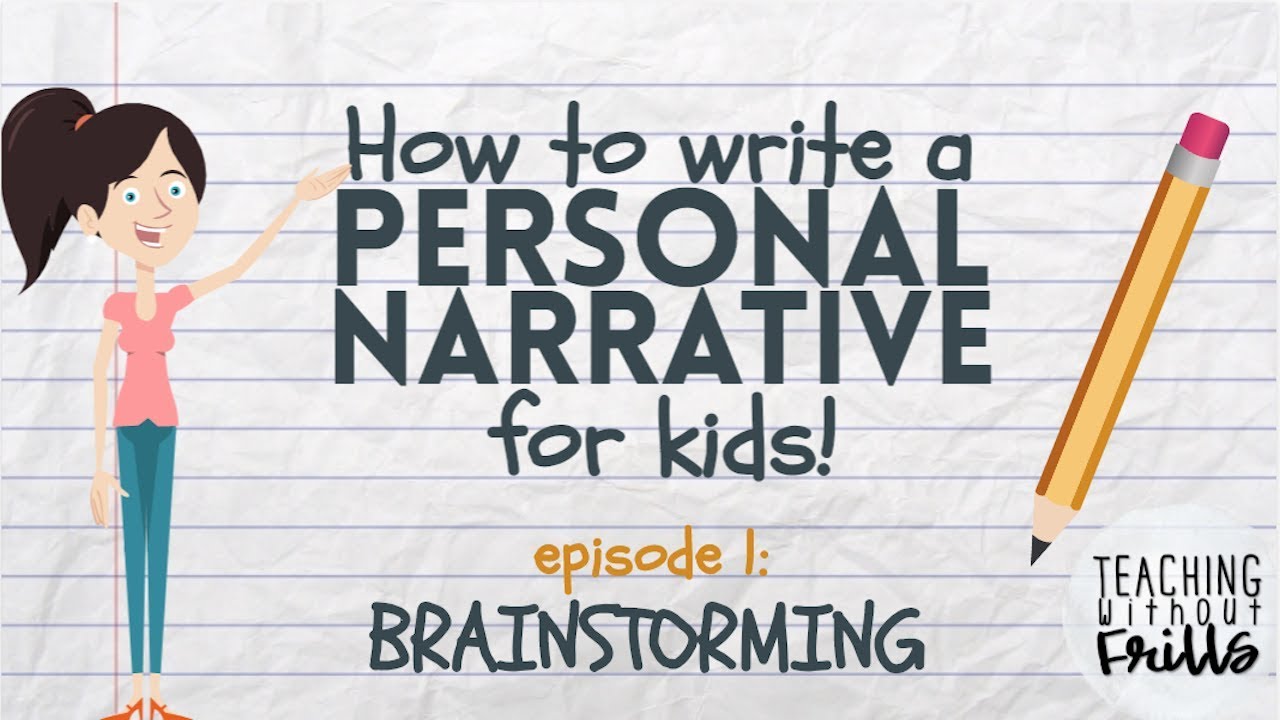
Crafting a Personal Narrative
Crafting a personal narrative requires several key elements, including a clear and concise writing style, a well-defined structure, and a strong narrative voice. A clear and concise writing style is essential for conveying complex emotions and experiences in a way that is easy to understand. A well-defined structure is also important, as it provides a framework for the narrative and helps to guide the reader through the story. A strong narrative voice is critical, as it brings the story to life and provides a sense of authenticity and emotion.
Techniques for Effective Personal Narrative Writing
There are several techniques that can be used to make personal narrative writing more effective. One technique is to use vivid and descriptive language, which can help to bring the story to life and create a sense of atmosphere and mood. Another technique is to use dialogue and conversation, which can add depth and complexity to the narrative. Additionally, using sensory details, such as sights, sounds, and smells, can help to create a rich and immersive experience for the reader. Finally, using reflective language and introspection can help to add depth and meaning to the narrative, and provide a sense of insight and understanding.
Challenges of Personal Narrative Writing
Personal narrative writing can be challenging, particularly when dealing with difficult or sensitive topics. One of the biggest challenges is finding the right tone and voice, as it can be difficult to convey complex emotions and experiences in a way that is both honest and respectful. Another challenge is balancing the need for honesty and authenticity with the need for discretion and sensitivity. Additionally, personal narrative writing can be emotionally demanding, particularly when dealing with traumatic or painful experiences. It is essential to approach personal narrative writing with care and sensitivity, and to prioritize self-care and well-being.
Overcoming Writer's Block
Writer's block is a common challenge that many writers face, and can be particularly problematic when working on a personal narrative. One way to overcome writer's block is to take a break and step away from the writing, and to come back to it when feeling refreshed and revitalized. Another strategy is to try freewriting, which involves writing without stopping or editing, and can help to get the creative juices flowing. Additionally, seeking feedback and support from others can be helpful, as it can provide new perspectives and insights, and help to generate ideas and momentum.
Conclusion
Personal narrative writing is a powerful tool for self-expression, reflection, and communication. It provides a unique and effective way to share one's experiences, and to preserve memories and emotions for years to come. By understanding the importance, benefits, and techniques of personal narrative writing, individuals can craft compelling and meaningful stories that convey their thoughts, feelings, and emotions. Whether writing for personal growth, therapeutic purposes, or creative expression, personal narrative writing has the power to transform and inspire, and to connect individuals with others on a deeper level.
FAQs
What is personal narrative writing?
Personal narrative writing is a style of writing that allows individuals to express themselves and share their experiences with others. It is a powerful tool for self-expression, reflection, and communication.
Why is personal narrative writing important?
Personal narrative writing is important because it provides a unique and effective way to share one's experiences, and to preserve memories and emotions for years to come. It also has therapeutic benefits, and can be a powerful tool for personal growth and development.
How do I get started with personal narrative writing?
To get started with personal narrative writing, start by setting aside a few minutes each day to write. Use prompts or exercises, such as freewriting or journaling, and gradually build up to more complex and structured writing.
What are some common challenges of personal narrative writing?
Common challenges of personal narrative writing include finding the right tone and voice, balancing honesty and authenticity with discretion and sensitivity, and overcoming writer's block.
How can I make my personal narrative writing more effective?
To make your personal narrative writing more effective, use vivid and descriptive language, dialogue and conversation, sensory details, and reflective language and introspection. Additionally, seek out feedback and support from others, and prioritize self-care and well-being.